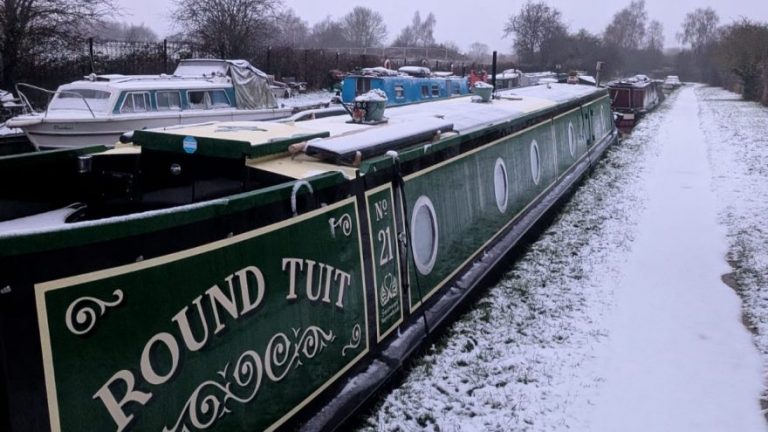
What It Cost Us to Live on Our Narrowboat

One of the questions we’re asked most often is: “Is it cheaper to live on a narrowboat?”
The honest answer is… it depends.
Living afloat can certainly cost less than owning a traditional house, especially if you don’t have a mortgage or marina fees. But a narrowboat is still a home, and like any home it comes with its own set of running costs, maintenance needs and unexpected expenses.
Here’s a realistic look at what we actually spend to keep our floating home running each year.
The Annual Essentials
Before we even untie the ropes for the day, there are several unavoidable costs that keep us legal, protected and supported on the water.
Canal & River Trust Licence
Every boat on the Canal & River Trust network must have a licence. As continuous cruisers, ours allows us to travel the waterways without a home mooring, as long as we follow cruising guidelines. It’s one of our biggest fixed costs each year.
Boat Insurance
Essential cover for peace of mind, protecting us against damage, theft and liability. Compared with many other forms of insurance, it’s relatively reasonable – but still a key part of the budget.
River Canal Rescue (RCR) Membership
Think of this as breakdown cover for boats. If something goes wrong with the engine or systems while we’re out cruising, help is only a phone call away. It’s one of those expenses we hope we never need but would never be without.
Keeping the Boat Warm and Running
We don’t have gas on board, so our energy system is mostly based around solar power and diesel.
Diesel powers our generator when solar isn’t enough, runs our Webasto central heating system, and fuels our diesel stove. Usage varies dramatically with the seasons – quiet and efficient in summer, much higher in winter when heating becomes essential.
The Monthly Pump-Out
We use a pump-out toilet system, which means we visit a pump-out station roughly once a month to empty the waste tank. It’s a routine part of boat life and something we simply factor into regular running costs.
Looking After the Boat

A narrowboat is a steel home sitting in water 24/7, so maintenance isn’t optional – it’s essential.
Generator Servicing (DIY)
Our generator also needs routine attention, including oil changes and filter replacements.
John carries out the engine servicing himself, so our costs are limited to oil, filters and consumables rather than labour. Regular servicing keeps everything running smoothly and helps prevent bigger issues.
Blacking the Hull
Every few years the boat has to come out of the water so the hull can be inspected and protected. We’ve had a two-pack epoxy blacking applied, which should last around five years, although we’ll likely lift the boat every 2–3 years just to check how it’s performing underneath.
Water Freedom Filters
Our Water Freedom system provides filtered drinking water on board. The filters only need changing every couple of years, but it’s still a planned maintenance cost.
The Ongoing List
Like any home, there is always something to repair, repaint, upgrade or improve. Boat life comes with a never-ending list of small jobs – but also the satisfaction of slowly making the space your own.
Life With a Dog on Board
Our dog (Boasley) is very much part of life afloat, and naturally comes with ongoing costs:
Insurance, vet bills, vaccinations, food, treats, toys – and the occasional replacement lead or bed.
This is an important part of the budget.

Staying Connected
Mobile phones and internet data are essential for communication and everyday life. Our monthly contracts form a regular and predictable household cost.
Food Shopping Afloat
Shopping isn’t always straightforward when you live on the water. Sometimes we’re close to supermarkets, other times we’re not.
That often means convenience takes priority over price. When we can, we’ll order supermarket deliveries directly to the towpath, especially for heavier items.
Clothes… and Especially Shoes
With limited storage space, we don’t shop for clothes often.
Shoes are the exception. Towpaths are tough on footwear – mud, gravel, wet grass and miles of walking mean we go through shoes far more quickly than we ever did living in a house.

Our Typical Annual Narrowboat Budget
People often ask for real figures, so here’s a breakdown of our approximate annual costs. These are based on our own lifestyle and boating setup in 2025 and will vary for everyone.
Expense | Typical Cost |
Canal & River Trust Licence | £1300.00 |
Boat Insurance | £800.00 |
River Canal Rescue Membership | £70.00 |
Diesel (generator, heating & stove) | £1400.00 |
Waste Tank Pump-Outs | £440.00 |
Generator servicing (oil & filters) | £300.00 |
Hull blacking fund (averaged annually) | £1000.00 |
Water Freedom replacement filters | £200.00 |
General boat maintenance & improvements | £220.00 |
Dog (insurance, vet care, food, etc.) | £1070.00 |
Phones & Mobile Internet | £720.00 |
Food & Household Shopping | £5100.00 |
Clothing & Footwear | £525.00 |
Estimated Annual Total | £13,145.00 |
Planning for the Bigger Costs
Some of the biggest boating expenses don’t happen every year – things like hull blacking, equipment replacement or unexpected repairs. So, it’s important to have a pot of money saved to cover these expenses.
So… Is Living on a Narrowboat Cheaper?
For us, living on a narrowboat isn’t simply about spending less – it’s about spending differently.
Instead of council tax, utility bills and household overheads, our money goes on licences, fuel, maintenance and keeping our floating home in good condition.
It isn’t a low-cost lifestyle in the way people sometimes imagine, but it is a rewarding one. Every expense is part of maintaining a life that allows us to wake up somewhere new, travel slowly through the countryside, and live closely connected to the waterways.
And for us, that makes every line in the budget worth it.