Date:
From:
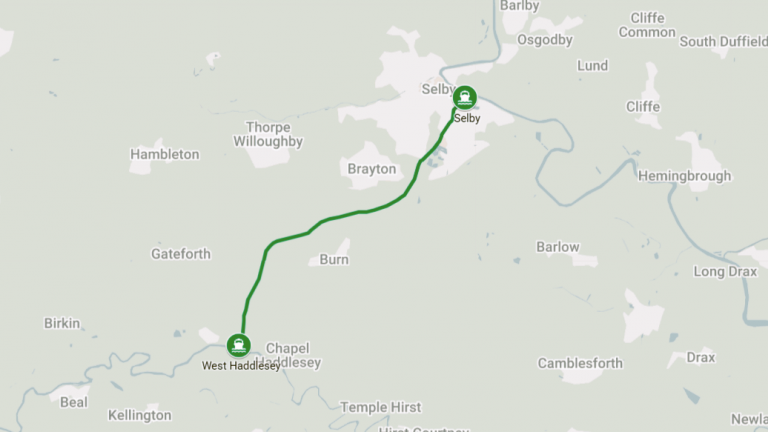
West Haddlesey
To:
Selby
Waterway:
Selby Canal
Travel Time:
2 1/2 hours
Distance:
5 miles
Contents:
A Gentle Cruise into Selby
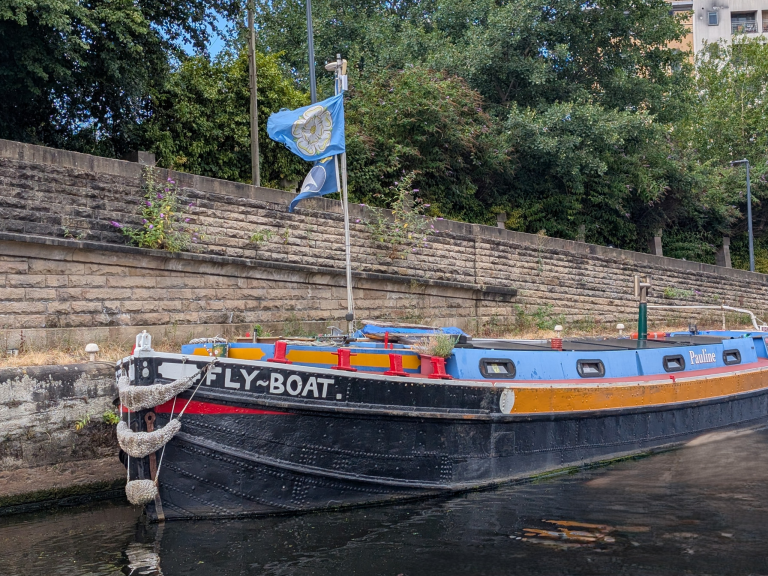
This morning we reluctantly left our beautiful mooring at West Haddlesey. It had been such a peaceful place to stop, surrounded by greenery and birdsong, but our next adventure was calling.
We need to reach Selby in order to book our passage through Selby Lock and onto the tidal River Ouse. With the weather forecast looking most favourable on Tuesday, that is currently our planned crossing day. For now, however, we are moored safely above the lock, preparing both ourselves and the boat for our first journey on a large tidal river.
Today’s cruise was a short one, lasting only around two and a half hours, but sometimes the shortest journeys can be the most enjoyable.
A Canal Wrapped in Summer
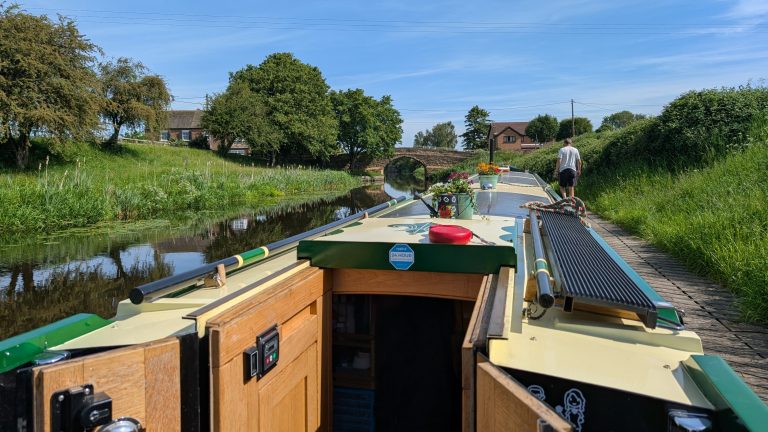
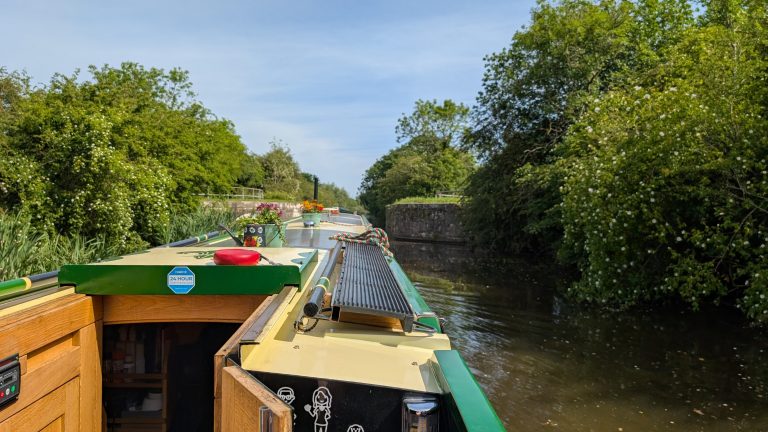
The Selby Canal was bathed in sunshine as we set off. The air was warm and still, with barely a breath of wind to disturb the water.
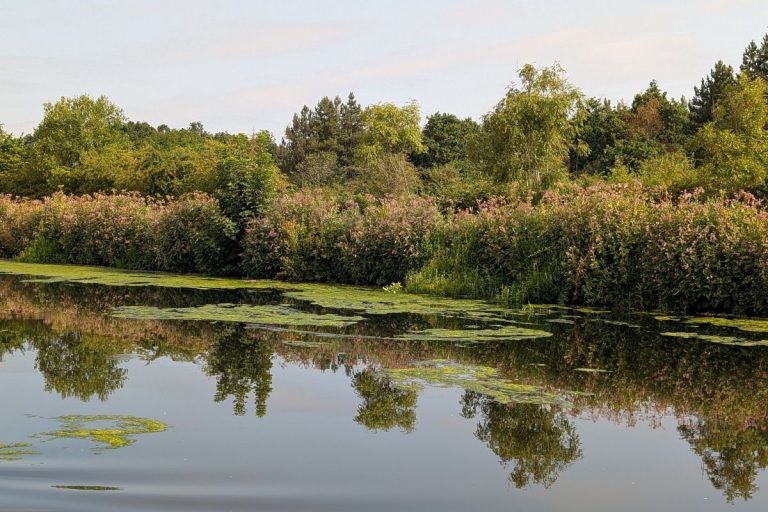
There were no locks to work today and very little development along the route. Instead, the canal drifted quietly through the Yorkshire countryside, its banks alive with summer colour.
The highly scented Dog Roses climbed through hedgerows, while Cow Parsley poked its delicate white flowers above the reeds. The bright yellow water irises that had lined the waterways only a few weeks ago are now beginning to fade. Their brief display is always one of the surest signs that summer is arriving, and their passing marks the changing of the season.
Fortunately, nature has already provided a worthy replacement.
The Season of Water Lilies
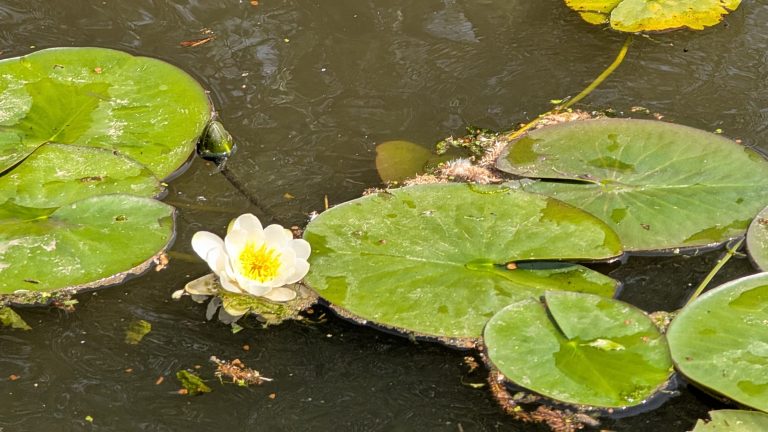
Today’s journey felt as though it was framed by water lilies.
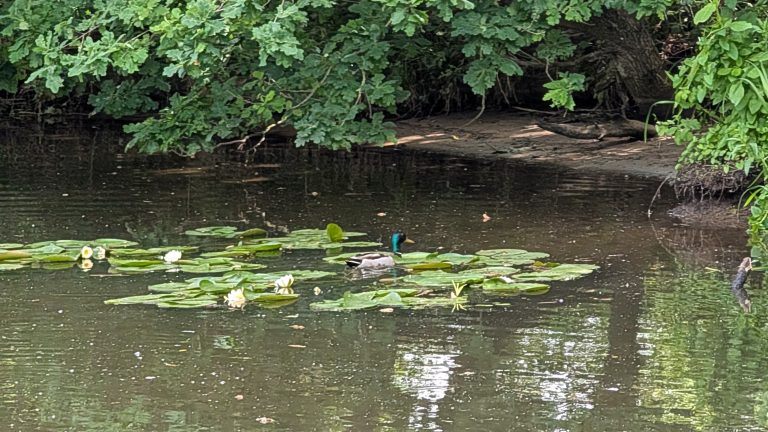
Both the familiar yellow, buttercup-like flowers and the larger white blooms were flourishing across the canal. Their broad green leaves covered the water’s surface, creating floating gardens that stretched along much of the route.
One of the simple pleasures of canal cruising is watching how these lily pads respond as the boat glides past. The gentle movement of water causes them to sink briefly beneath the surface before they slowly rise again, settling back into place as though nothing had disturbed them.
It is a small detail, but one that never seems to lose its charm.
Wildlife Along the Water's Edge
Although there were few landmarks along today’s route, there was plenty of wildlife to keep us company.
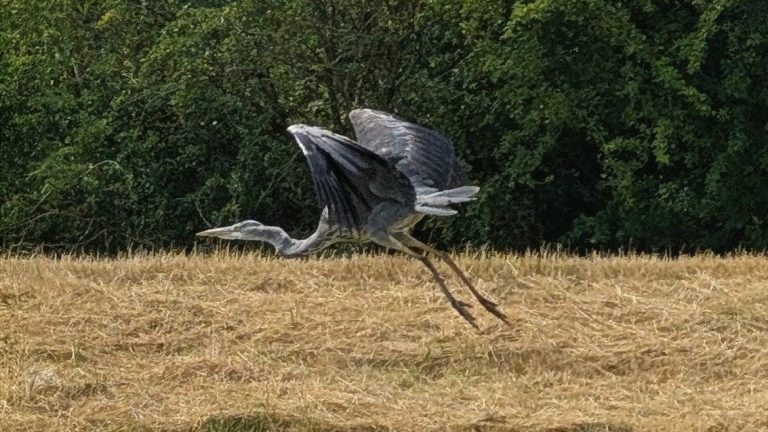
Herons stood patiently at the water’s edge, waiting for an unsuspecting fish. Ducks shepherded their ducklings through the reeds, while swans glided majestically along the canal accompanied by their growing cygnets. Moorhens darted between patches of vegetation, disappearing almost as quickly as they appeared.
The canal seemed to be enjoying the warm weather as much as we were.
First Signs of Selby
As we drew closer to Selby, the landscape gradually began to change.
The open countryside slowly gave way to houses and gardens. Families were enjoying walks in the sunshine, and fishermen appeared at regular intervals along the towpath, patiently waiting for a bite.
After the quiet isolation of the canal, these signs of everyday life felt surprisingly busy.
Our original plan had been to moor on the long visitor moorings before reaching the town. However, the water level appeared to be slightly low, preventing us from bringing the boat close enough to the bank to moor comfortably.
With little choice, we continued onwards.
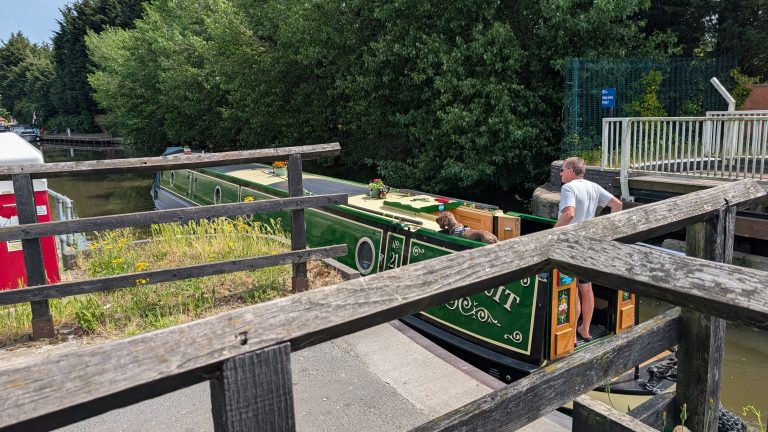
Soon we arrived at Selby’s electrically operated swing bridge. After activating the bridge and bringing the road traffic to a temporary halt, we cruised through and entered Selby Basin.
Selby Abbey: A Thousand Years of History
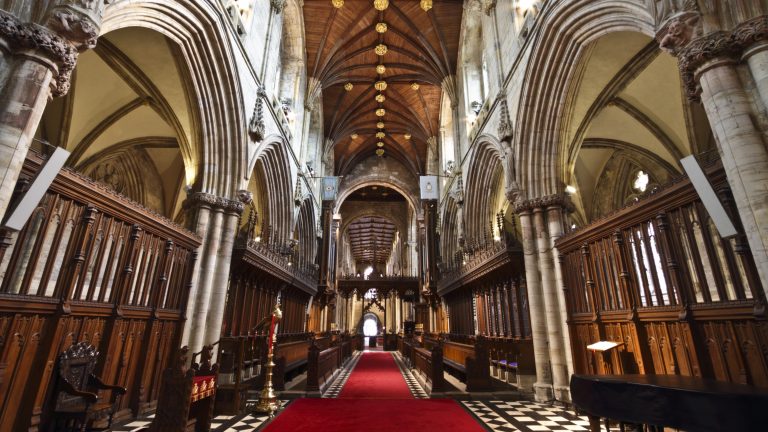
Dominating the skyline above the town is the magnificent Selby Abbey.
Founded in 1069 by the Benedictine monk Benedict of Auxerre, the abbey has stood at the heart of Selby for almost a thousand years. According to tradition, Benedict settled here after receiving a vision directing him to establish a religious community on the banks of the River Ouse. His efforts attracted the support of William the Conqueror, who granted land and privileges that allowed the monastery to flourish.
During the Middle Ages, Selby Abbey became one of the wealthiest and most influential monasteries in Yorkshire. The vast church that survives today is one of the finest medieval abbey churches in England and is larger than many cathedrals. Kings, nobles and pilgrims all passed through its doors during its long history.
Like many monasteries, the abbey fell victim to Henry VIII’s Dissolution of the Monasteries in 1539. Much of the monastic complex was demolished, but the great church survived and continues to serve the community nearly 500 years later.
Today, its towers and stonework remain a powerful reminder of Selby’s rich heritage and its long connection to the waterways that helped the town prosper.
Image: Michael D Beckwith / Wikimedia Commons (CC0)
Preparing for the River Ouse
For now, our focus is firmly on the next stage of our journey.
John will be speaking with the lock keeper to arrange our passage through Selby Lock and onto the tidal River Ouse. Before setting off, we’ll be carrying out a few important checks. Lifejackets need to be dug out and made ready, the anchor needs to be easily accessible, and we’ll be giving the boat a thorough inspection to make sure everything is in order.
Canal cruising often feels wonderfully predictable. Rivers, particularly tidal rivers, are rather different.
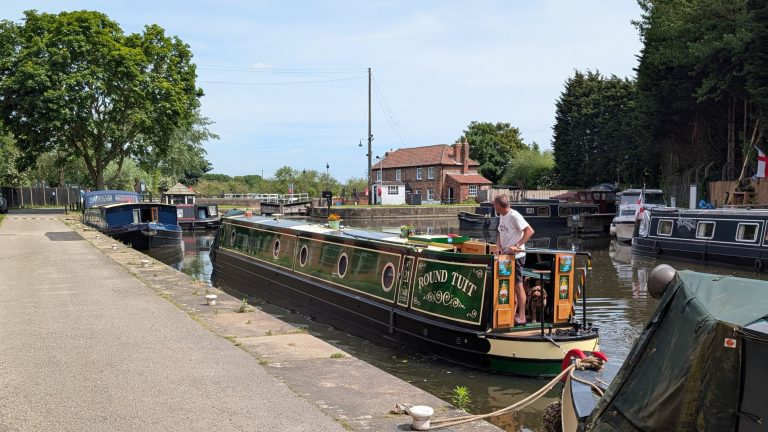
As we sit in Selby Basin watching the boats come and go, there is definitely a growing sense of anticipation. In a couple of days we’ll leave the calm waters of the canal network behind and venture onto one of Yorkshire’s great rivers for the first time.
Adventure awaits.
Comment:
Other Stories:
Bring a Piece of Canal Life Home
Explore prints, gifts and designs inspired by our adventures on the water.