A Short Cruise to Woodlesford and Preparing for Winter
Date:
From:
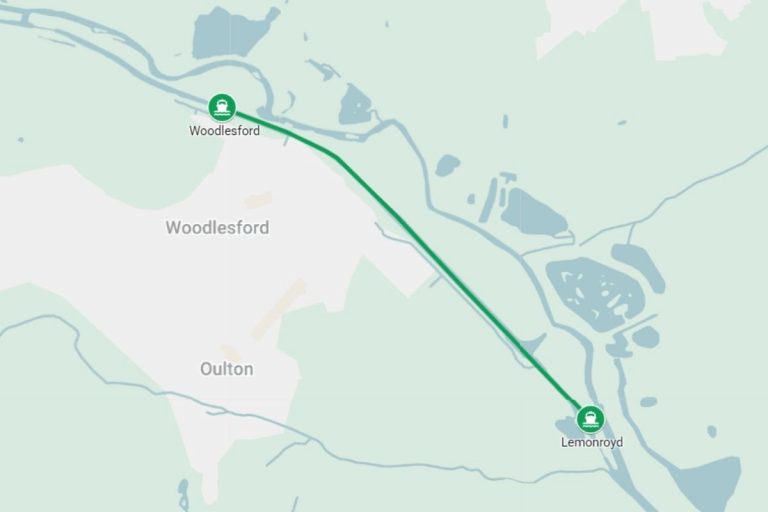
Lemonroyd
To:
Woodlesford
Waterway:
Aire & Calder Navigation
Travel Time:
45 minutes
Distance:
1.5 miles
Contents:
An Unexpected Wake-Up Call
I woke this morning to a rather unusual sensation – the boat was moving.
John wasn’t beside me, and I could hear activity on the stern where he and Boasley were clearly busy. It didn’t take long to work out what was happening. We’d run low on water, so he’d quietly untied the boat and moved us the short distance to the nearby water point while I was still asleep.
It was actually quite a lovely way to start the day. Once we were safely tied up, John appeared with a welcome cup of tea, which I happily enjoyed in bed while the water tank slowly filled. Before long, however, it was time to get up. Knowing John would want to set off as soon as the tank was full, I started my usual pre-cruising routine.
Living on a narrowboat teaches you very quickly that almost everything needs securing before you move. Bathroom doors are locked open, the kettle sits safely on its non-slip mat, the casserole dish is tucked into its safe places and anything that could slide, rattle or topple over is carefully stowed away. It’s a routine we’ve learnt through experience – usually after discovering things on the floor once we are moored!
A Gentle Morning Cruise
While John finished filling the tank, Boasley and I enjoyed a short walk before climbing back aboard for what would prove to be a very short cruise.
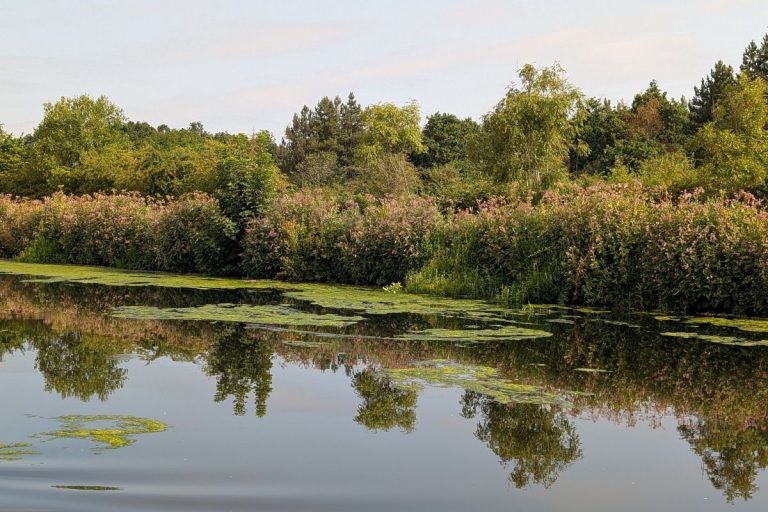
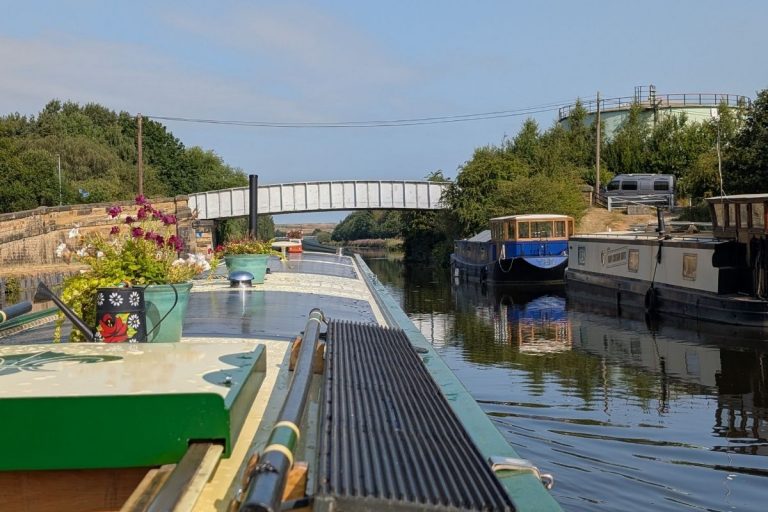
The Aire & Calder Navigation was looking particularly beautiful in the morning sunshine. There wasn’t a breath of wind, and although another hot day was forecast, setting off early meant the temperature was still wonderfully comfortable. The water was calm, the skies were blue and the journey was peaceful.
We exchanged greetings with a handful of anglers enjoying the early morning and waved to a couple of fellow boaters before arriving at Woodlesford Lock.
Working Together at the Lock
As usual, John brought the boat onto the lock landing while I walked ahead to prepare the lock.
Before I started letting the water out, I spotted another narrowboat approaching the top gates. Rather than continue, I waved them forward and opened the gates to let them enter first.
It’s a simple piece of canal etiquette, but also an important way of conserving water. By taking another boat down whilst emptying the lock, the lock only has to be emptied once, saving thousands of litres of water. With long periods of dry weather becoming increasingly common, every little bit helps.
Once the lock had emptied, I opened the bottom gates to let the other boat continue its journey before John carefully brought Round Tuit into the lock. A few minutes later we were through and looking for somewhere to stop.
A Perfect Mooring
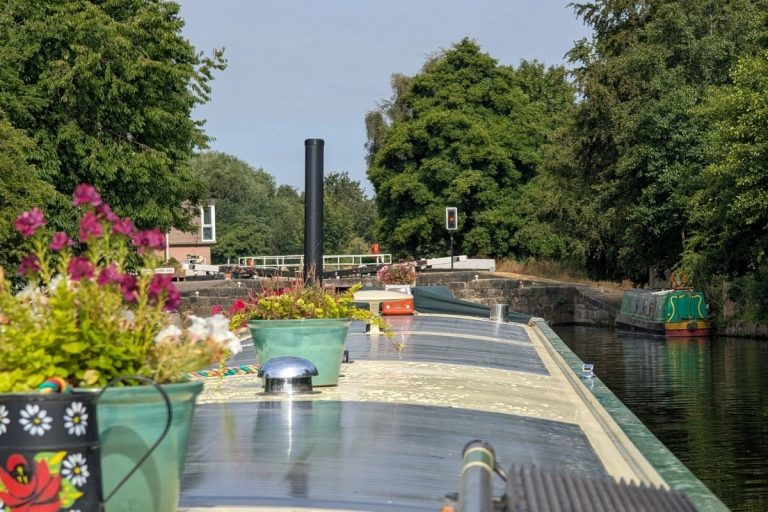
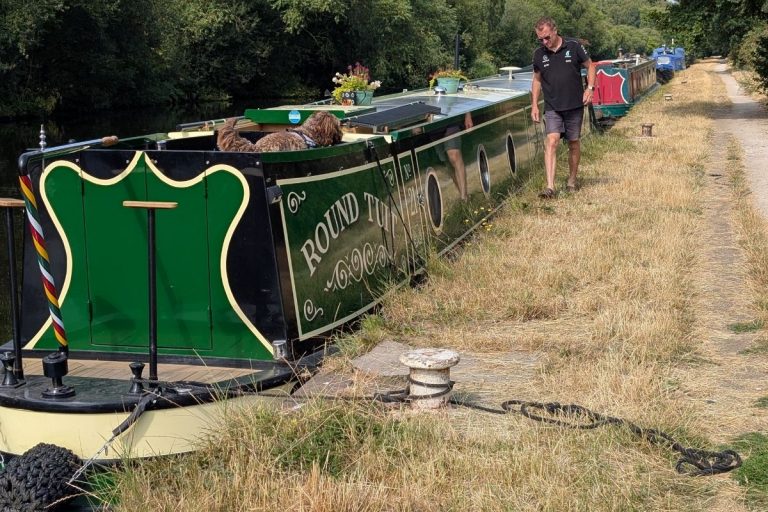
The visitor moorings just beyond Woodlesford Lock are some of the nicest we’ve seen for a while.
John eased the boat alongside while I walked ahead on the towpath to check the space. Although there are plenty of other boats moored here and a steady stream of walkers passing by, it somehow still feels wonderfully peaceful.
With John going away for a few days this weekend, it seemed like the ideal place for Boasley and me to stay. Everything we need is close by, the surroundings are attractive, and there are plenty of places to enjoy leisurely walks together.
Sometimes the shortest cruising days lead to the nicest moorings.
Thinking Ahead to Winter
Although we’re currently enjoying one of the hottest summers in recent memory, we’ve also been thinking several months ahead.
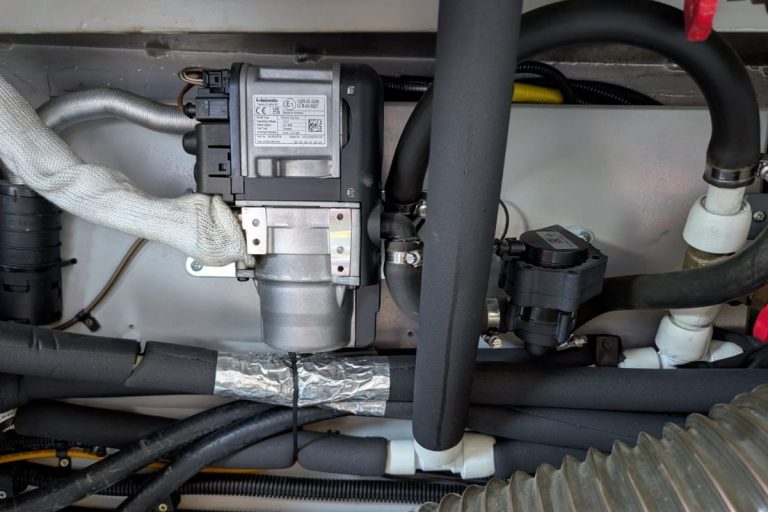
A few weeks ago, while we were moored near Wakefield, John decided it was time to have our Webasto diesel central heating system serviced before winter arrives.
Unlike many maintenance jobs on the boat, this isn’t something that can easily be done yourself. The heater needs connecting to specialist diagnostic software to check for faults and ensure its operating efficiently. Despite making numerous phone calls, John couldn’t find a marine engineer who was able to visit us, so he removed the entire unit and took it to Mellor Online for servicing.
While the heater was away, he made the most of the opportunity by draining the central heating system completely, flushing through all the pipework and radiators, before refilling everything with fresh antifreeze once the serviced unit was returned.
Thankfully, everything went back together perfectly, and after testing the system we were pleased to find it working exactly as it should.
At the moment, with temperatures soaring and sunshine filling our days, central heating couldn’t feel less important. But life aboard a narrowboat is very different in winter. Cold mornings, damp air and frosty towpaths are all part of continuous cruising during the colder months. Being able to wake up to a warm boat and enjoy reliable hot water isn’t simply a luxury – it’s something we both consider essential.
Preparing for winter during the height of summer may seem strange, but experience has taught us that it’s always better to be ready before the cold weather arrives.
From Coal Mines to Nature Reserves
One of the things that makes this stretch of the Aire & Calder Navigation so attractive is the remarkable transformation of the surrounding landscape.
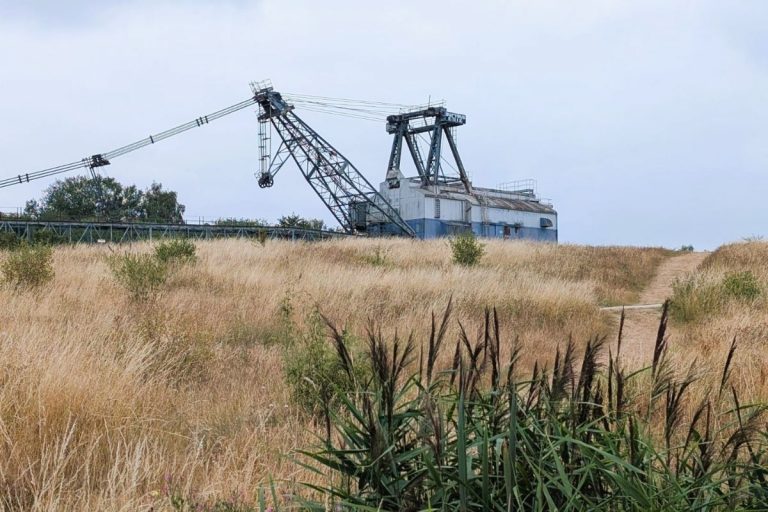
Much of the land around Woodlesford and neighbouring St Aidan’s was once dominated by Yorkshire’s coal mining industry. For generations, collieries shaped both the landscape and the communities that grew around them. When the mines eventually closed, vast areas of former industrial land were left behind.
Rather than allowing these sites to remain derelict, many have been carefully restored and transformed into nature reserves and wetlands. Today they provide valuable habitats for wildlife, with reed beds, lakes, meadows and woodland replacing spoil heaps and industrial workings.
The nearby St Aidan’s Nature Park is one of the largest examples of this remarkable regeneration. Managed by the RSPB, it has become home to an astonishing variety of birds, dragonflies, butterflies and wildflowers, while miles of walking and cycling trails now criss-cross land that once echoed to the sounds of mining machinery.
Cruising through the area today, it’s hard to imagine its industrial past. Instead of winding gear and coal wagons, the landscape is filled with birdsong, colourful wildflowers and peaceful waters. It’s a wonderful reminder of how nature can reclaim the land when given the chance, creating places that are now enjoyed by walkers, cyclists, boaters and wildlife alike.
As we settled into our new mooring this afternoon, it was difficult to believe we’d travelled little more than a mile. Yet in that short distance we’d enjoyed a peaceful cruise, shared a lock with fellow boaters, found a lovely place to stay and been reminded that life afloat is often about appreciating the small moments just as much as the big adventures.
Thank you: